Clouds drive differences in future surface melt over the Antarctic ice shelves
2022 The Cryosphere, 16 (7), 2655-2669
Kittel, C., Amory, C., Hofer, S., Agosta, C., Jourdain, N. C., Gilbert, E., Le Toumelin, L., Vignon, É., Gallée, H., & Fettweis, X.
Research Summary
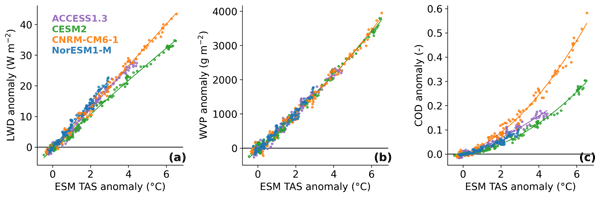
We investigated why different climate models disagree on the amount of future Antarctic melt. The answer lies in the clouds: the way models represent cloud phase (liquid vs ice) and their radiative effects (the 'blanket' effect) explains most of the spread in projections. MAR shows that liquid-containing clouds significantly amplify surface warming.
Key Takeaway
"Cloud-radiative properties are the primary source of uncertainty in predicting the future collapse of Antarctic ice shelves."